When people think about staying in Japan, they often hear the question:
“Do I need a visa?”
This sounds simple, but in Japan, the word visa is often used in a way that causes confusion.
In fact, in the Japanese immigration system, the word visa is commonly used to refer to two different legal concepts, each with a completely different role.
Understanding this difference is essential if you plan to live, work, or study in Japan.

Two Different Meanings of the Word “Visa”
In everyday conversation, the word visa may refer to either of the following:
-
Visa (査証 / Shashō)
-
Status of Residence (在留資格 / Zairyū Shikaku)
Although these terms are often used interchangeably, they serve entirely different purposes in Japan’s immigration system.
Confusing the two can lead to:
-
Incorrect applications
-
Delays
-
Or even refusal of entry or residence
This article explains the difference clearly and in line with Japan’s immigration laws.
The Key Difference: Before Entry or After Entry
Let’s start with the most important point.
-
Visa (査証)
▶ Required before entering Japan -
Status of Residence
▶ Granted after entering Japan, and determines your legal status inside Japan
Once you understand this distinction, Japan’s immigration system becomes much easier to navigate.
What Is a Visa (査証)?
When a foreign national enters Japan, they must go through landing procedures (immigration inspection).
For this process, the following are required:
-
A passport
-
A visa, unless the person is from a visa-exempt country
What Is a Passport?
A passport is an official identification document issued by your home country.
It certifies your nationality and identity.
What Is a Visa (査証)?
A visa is a document issued by a Japanese embassy or consulate outside Japan, under the authority of Japan’s Ministry of Foreign Affairs.
A visa indicates that:
-
Your purpose of entry has been reviewed in advance
-
The Japanese government has determined that there is no objection to you entering Japan
From a practical perspective, a visa can be understood as a pre-entry recommendation.
Does Having a Visa Guarantee Entry into Japan?
No.
Even if you hold a valid visa, the final decision to allow entry into Japan is made by the immigration officer at the airport or port of entry.
The visa allows you to apply for entry, but it does not guarantee admission.
What Is a Status of Residence?
Once you pass immigration inspection and are allowed to enter Japan, the next question becomes:
“What am I legally allowed to do while staying in Japan?”
This is determined by your Status of Residence.
The Role of a Status of Residence
A Status of Residence defines:
-
What activities you may engage in while in Japan
-
How long you are allowed to stay
-
Whether you may work, and under what conditions
Japan’s system is activity-based, meaning your legal status depends on your purpose of stay.
For example:
-
International student → Student
-
Company employee → Engineer / Specialist in Humanities / International Services
-
Business owner → Business Manager
Each status has clearly defined conditions and limitations.
Which Authorities Handle Visas and Statuses of Residence?
This distinction is also important in practice:
-
Visas
Issued by the Ministry of Foreign Affairs
(Japanese embassies and consulates outside Japan) -
Statuses of Residence
Granted and managed by the Immigration Services Agency of Japan
(under the Ministry of Justice)
Summary: Visa vs Status of Residence
| Item | Visa (査証) | Status of Residence |
|---|---|---|
| When it is required | Before entry | After entry |
| Issuing authority | Japanese embassy / consulate (outside Japan) | Immigration Services Agency (inside Japan) |
| Legal function | Permission to apply for entry | Legal status and permitted activities |
| Validity | Until entry | During the approved period of stay |
Why This Distinction Matters
In Japan:
-
Having a visa does not mean you can work or stay freely
-
Having a Status of Residence does not allow you to enter Japan by itself
Each system applies at a different stage and under different laws.
Applying for the wrong status, or misunderstanding these roles, can cause serious problems—both immediately and in future renewals or changes of status.
Considering Professional Advice
Procedures related to visas and Statuses of Residence are based on:
-
Immigration law
-
Cabinet and ministerial regulations
-
Official operational guidelines
As a result, they can be highly complex.
If you are considering professional assistance,
please review the consultation information on our website before making an inquiry.
PROFESSIONAL SUPPORT
Need professional advice?
If you need individual advice regarding Japanese visas, residence status, company setup, permits, or official document procedures, please book a paid consultation.
We do not provide individual case assessments through free blog comments, general contact forms, or social media messages.
All consultations require advance booking and advance payment.
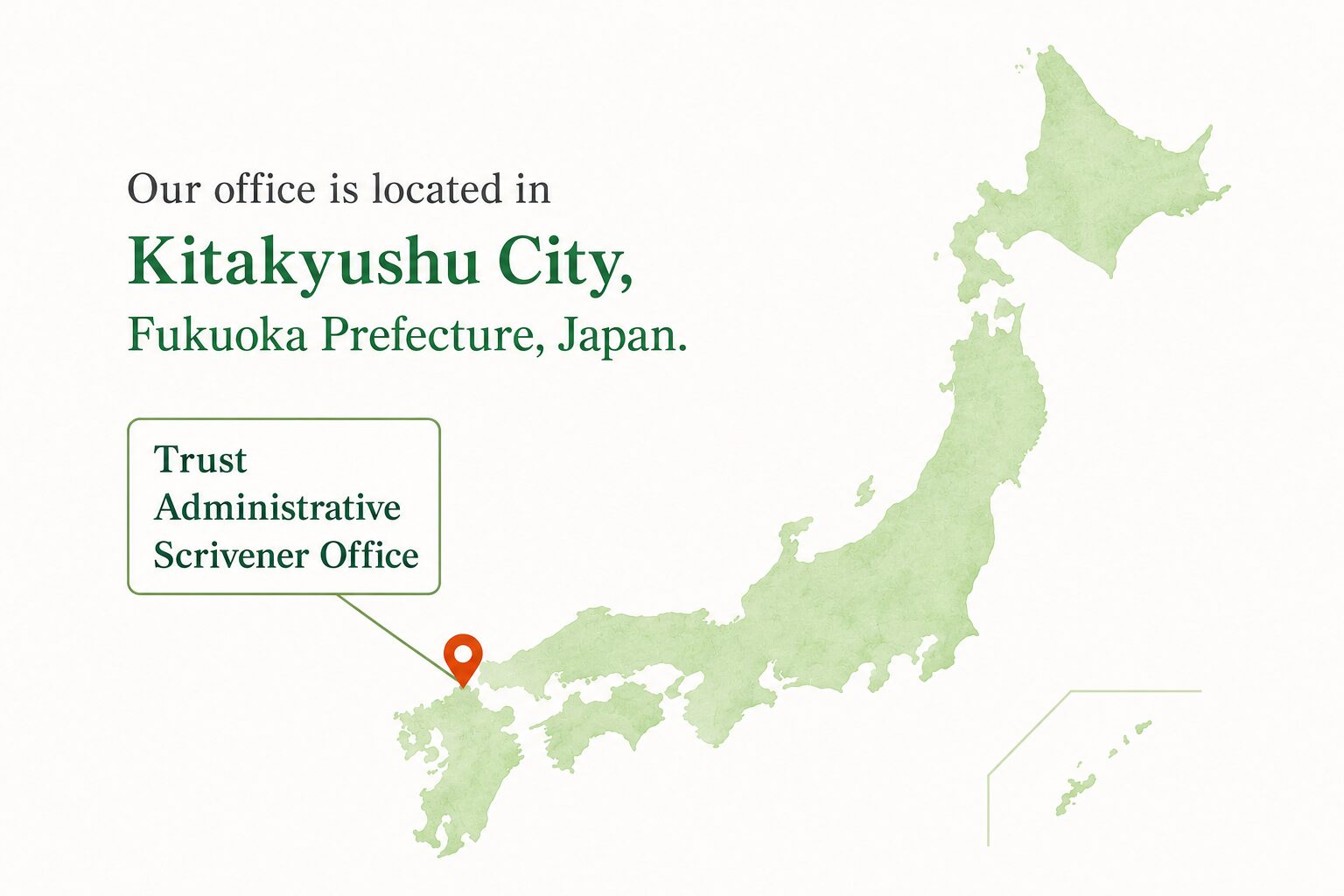
Trust Administrative Scrivener Office
Based in Kitakyushu, Fukuoka, Japan | Online consultations available